
Real estate is one of the most powerful wealth-building tools in America — not only because properties appreciate, but because the U.S. tax code is built to reward real estate investors.
At NextGen Books & Tax, we specialize in helping real estate professionals, investors, flippers, and landlords use the tax code smartly — so they keep more cash, pay less tax, and scale faster.
Below is a complete breakdown of the most effective tax strategies for real estate investors in 2025 and how we guide you through each step.
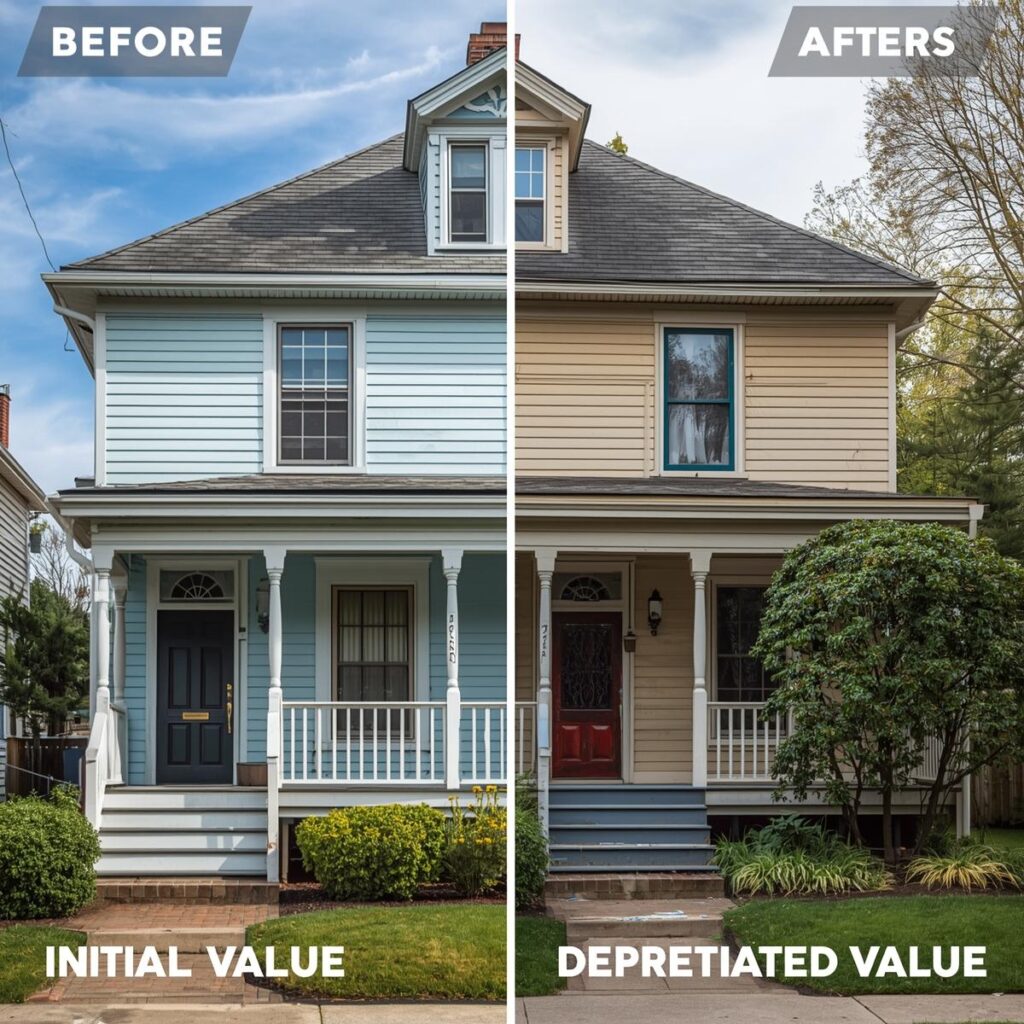

- 1031 Exchange — Defer Taxes & Grow Your Portfolio Faster
A 1031 exchange allows you to sell an investment property and reinvest the profits into another property without paying capital gains tax today.
How it helps:
• Defer capital gains tax
• Defer depreciation recapture tax
• Trade into bigger properties
• Build wealth tax-free until you finally sell
Potential Savings:
Investors typically save 20%–37% in capital gains + 25% recapture tax by deferring the entire amount.
How NextGen Helps:
• Determine if your sale qualifies
• Guide you through IRS timelines (45-day identification / 180-day closing)
• Coordinate with QI (Qualified Intermediaries)
• Ensure depreciation schedules are done correctly on replacement property
- Buy, Borrow, Die — The Ultimate Wealth-Building Strategy
The Buy, Borrow, Die strategy is used by the wealthy to avoid ever paying tax on appreciated real estate.
How it works:
• Buy: Purchase real estate ( depreciation benefits + rental income ).
• Borrow: Pull tax-free cash out using HELOCs or refinance loans.
• Die: Your heirs receive the property with a step-up basis, wiping out lifetime capital gains.
Savings:
• No tax on cash-out-refi loans
• Zero capital gains tax for heirs due to step-up basis
• Can save families millions in long-term taxes
How NextGen Helps:
• Plan refinance cycles
• Structure entities for estate protection
• Calculate step-up basis and long-term wealth projections
• Integrate this strategy with 1031 exchanges
- Cost Segregation Study — Massive First-Year Write-Offs
A Cost Segregation Study breaks a building into components (5, 7, 15-year property) allowing 5x more depreciation upfront.
Benefits:
• Accelerated depreciation
• Increase cash flow
• Huge tax deduction in year 1
Savings Example:
A $500,000 rental property can often generate $100,000–$150,000 depreciation in year 1.
How NextGen Helps:
• Review your property to see if cost seg is worth it
• Connect you with certified cost seg engineers
• Apply bonus depreciation rules
• Optimize future tax years to avoid passive loss limitations
- Depreciation Acceleration — Reduce Taxes Without Spending Money
Depreciation lets you deduct the cost of your building over time.
Accelerated depreciation allows you to front-load the deduction for maximum savings.
Savings:
The average investor can reduce their taxable rental income by 50%–100% using accelerated depreciation.
How NextGen Helps:
• Apply correct MACRS schedules
• Utilize bonus depreciation
• Track unused depreciation for future carryforwards
• Ensure IRS compliance for audits
- Mortgage Interest Deduction — A Simple but Powerful Deduction
Real estate investors can deduct all mortgage interest on loans used to:
• Purchase property
• Refinance
• Improve the property
Savings:
Can reduce taxable income by thousands per year, especially in early years when interest is high.
How NextGen Helps:
• Categorize interest correctly between acquisition debt vs. improvement debt
• Allocate interest for mixed-use properties
• Ensure maximum deduction even in complicated books
- Short-Term Rentals (STR) — The Loophole of the Century
Short-term rentals (Airbnb, Vrbo) offer unique tax advantages because they are NOT treated like traditional rentals.
Key Benefits:
• You may qualify for active income treatment
• Losses may be fully deductible against W-2 income
• No need to be a real estate professional
Savings:
Clients often save $10,000 to $50,000+ per year with STR loopholes.
How NextGen Helps:
• Determine if your STR qualifies (<7 days average stay)
• Track material participation hours
• Apply accelerated depreciation + cost seg for STR
• Integrate with W-2 offset planning
- Active Participation — Simple Qualification for Rental Losses
You can deduct up to $25,000 in rental losses even if you’re not a real estate professional, as long as you:
• Make management decisions
• Approve tenants
• Approve repairs
Savings:
Up to $25,000 reduction in your taxable income each year.
How NextGen Helps:
• Track your participation
• Maximize deductible rental losses
• Ensure you don’t get limited by passive activity rules
- Loss Carryforward — Never Lose a Deduction Again
If your real estate losses exceed your income, you can carry them forward indefinitely until future profit absorbs them.
Savings:
Investors often build $50,000–$300,000+ of carryforward losses to eliminate taxes for years.
How NextGen Helps:
• Track your passive loss carryover every year
• Strategize when to use those losses
• Pair carryforward losses with future property sales for zero-tax outcomes
- Real Estate Professional Status (REPS) — The Most Powerful Tax Status
If you or your spouse qualify as a Real Estate Professional, all rental losses become fully deductible against any income including W-2, business income, and investments.
Requirements:
• 750 hours in real estate activities
• More than 50% of your work time in real estate
Savings:
Real estate professionals regularly save $30,000–$150,000+ per year.
How NextGen Helps:
• Determine if you qualify
• Track hours with IRS-approved logs
• Apply cost segregation + bonus depreciation
• Build a full-year tax plan to maximize REPS benefits
How NextGen Books & Tax Helps You Save the Maximum Possible
At NextGen, we don’t just file your tax return — we build a full tax strategy around your real estate portfolio.
Here’s how we support you year-round:
✔ Monthly or quarterly tax planning
✔ Entity setup for maximum tax benefits
✔ Bookkeeping optimized for real estate deductions
✔ Cost segregation coordination
✔ STR loophole planning
✔ REPS qualification support
✔ Audit-ready documentation
✔ Personalized strategies for every property
Most clients save $10,000 to $120,000+ per year depending on portfolio size.
Final Message to Investors
If you’re a real estate investor, you should never overpay in taxes — because the IRS already gives you every tool to legally reduce them.
At NextGen Books & Tax, we make sure you use every strategy properly, maximize deductions, and protect your wealth.
Ready to save thousands in taxes this year?
Book a consultation today.
Leave A Comment